Christmas Exam


Labour India Info World

Monday, 13 May 2013

Class VI Chapter-1വിത്തിനകത്തൊളിച്ചീ ഞാന്‍

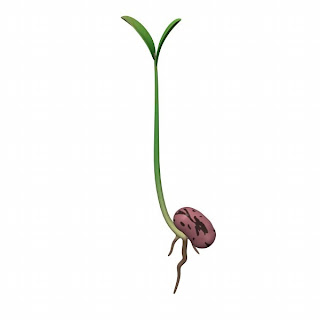
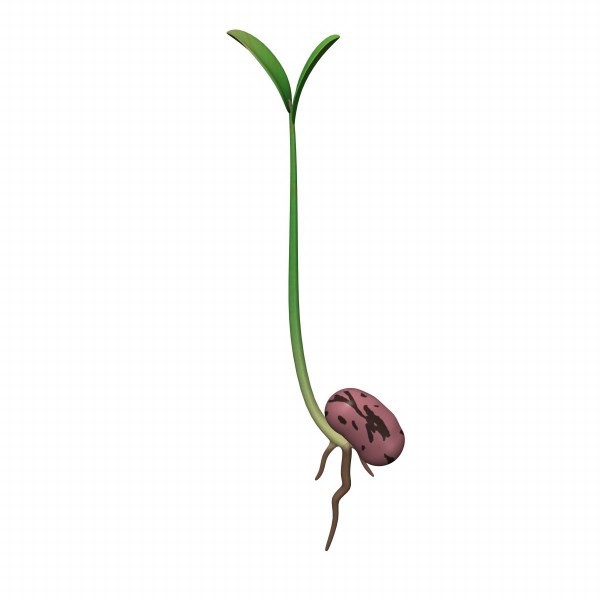
വിത്തുമുളയ്‌ക്കുന്നതില്‍ പ്രകാശത്തിന്‍െറ പങ്ക്‌
മിക്കവാറും വിത്തുകള്‍ മുളയ്‌ക്കുന്നതിന്‌ പ്രകാശം ഒരു അവശ്യഘടകമല്ല. എന്നാല്‍ ചില വിത്തുകള്‍ മുളയ്‌ക്കുന്നതിന്‌ പ്രകാശത്തിന്‍െറ സാന്നിദ്ധ്യമോ അസാന്നിദ്ധ്യമോ പ്രസക്‌തമാണ്‌.
ചോളം, ബീന്‍സ്‌ തുടങ്ങിയവയുടെ വിത്തുകളെ പ്രകാശം ഒരുവിധത്തിലും ബാധിക്കുന്നില്ല.


ഉള്ളി, ലില്ലി തുടങ്ങിയവ മുളയ്‌ക്കുന്നതിന്‌ പ്രകാശത്തിന്‍െറ സാന്നിദ്ധ്യം തടസ്സപ്പെടു ത്തുന്നു. മുളയ്‌ക്കുന്നതിന്‌ പ്രകാശത്തിന്‍െറ സാന്നിദ്ധ്യം ആവശ്യമായ ഒരു വിത്താണ്‌ ചീര.

കുമ്മായ ചികിത്‌സ പച്ചമുളകില്‍

പച്ചമുളക്‌കൃഷിയില്‍ പല സന്ദര്‍ഭങ്ങളിലും വില്ലനായി വരുന്ന രോഗങ്ങളാണ്‌ ഇലകുരുടിപ്പും മൊസൈക്കും. നിലവില്‍ നിയന്ത്രണ മാര്‍ഗ്ഗങ്ങളൊന്നും ഇല്ലാത്തതിനാല്‍ രോഗം വന്നാല്‍ ചെടി പറിച്ചുകളയുകയേ നിവൃത്തിയുള്ളൂ. എന്നാല്‍ ഈ രോഗലക്ഷണങ്ങളോട്‌ സാദൃശ്യം തോന്നുന്ന വിധത്തില്‍ ത്രിപ്‌സ്‌, മണ്ഡരി എന്നീ കീടങ്ങളുടെ ആക്രമണഫലമായി ഉണ്ടാകുന്ന രോഗങ്ങളെ നിയന്ത്രിക്കാന്‍ കുമ്മായ ചികിത്‌സയ്‌ക്കാകും.
വൈറസ്‌ മൂലവും കീടാക്രമണം മൂലവുമുള്ള രോഗലക്ഷണങ്ങള്‍ വേര്‍തിരിച്ചറിയാന്‍ നന്നേ പ്രയാസമാണ്‌. രോഗലക്ഷണം നാമ്പിലകളില്‍ കാണുമ്പോള്‍ തന്നെ കുമ്മായം നാമ്പിലകളിലും ഇലകളിലും നന്നായി വീഴത്തക്കവിധം വിതറിക്കൊടുക്കുക. 15-20 ദിവസങ്ങള്‍ക്കുള്ളില്‍ നല്ല കരുത്തുള്ള ഇലകളായി മാറുന്നതും രോഗമില്ലാത്ത പുതിയ നാമ്പു വരുന്നതും കാണാം
തെങ്ങിന്‍െറ വ്യാപനരഹസ്യം

നമ്മുടെ കല്‍പവൃക്ഷമാണ്‌ തെങ്ങ്‌. ഇതു പോലെ നിത്യജീവിതത്തില്‍ വിവിധതരത്തില്‍ നമുക്ക്‌ ഉപകരിക്കുന്ന മറ്റു വൃക്ഷങ്ങള്‍ വേറെയില്ല. കപ്പല്‍ച്ചേതം സംഭവിച്ച്‌ ഒറ്റപ്പെട്ട ദ്വീപുകളിലെത്തിയ വരുടെ ജീവന്‍ നിലനിര്‍ത്താന്‍ ഇത്‌ സഹായിച്ചതായി കഥകളുണ്ട്‌. മധ്യരേഖാമേഖലയിലെ എല്ലാ രാജ്യങ്ങളിലും തെങ്ങ്‌ വ്യാപിച്ചത്‌ മനുഷ്യന്‍ എത്തിച്ചതുകൊണ്ടല്ല. 
കടലില്‍ പൊങ്ങിക്കിടന്നാലും മാസങ്ങളോളം കേടുവരാത്ത വിത്താണ്‌ ഇതിന്‍െറ വ്യാപനരഹസ്യം. കടല്‍ വഴിയാണ്‌ ഏഷ്യാപസഫിക്‌ മേഖലയില്‍ നിന്ന്‌ ഇത്‌ എല്ലായിടത്തുമെത്തിയത്‌.
അറ്റം കാണാത്ത കടല്‍ അതിലൂടെ ഒഴുകിപ്പോകുന്ന ഒരു വലിയവിത്ത്‌ ജൈവവൈവിധ്യം വ്യാപിക്കുന്നതിന്‍െറ ഒരു നല്ല പ്രതീകമല്ലേ ഇത്‌. 

ജൈവിക നിയന്ത്രണം -
ശത്രുജീവികളെ ഉപയോഗിച്ച്‌ കീടങ്ങളെ നിയന്ത്രിക്കുന്ന രീതി.


ഉദാ:
  • വയലുകളില്‍ വിളവെടുപ്പിനുശേഷം താറാവുകളെ ക്കൊണ്ട്‌ കീടങ്ങളെ നശിപ്പിക്കുക. 

  • മത്സ്യങ്ങള്‍ കൊതുകിന്റെ ലാര്‍വയെ തിന്നുന്നു. 
കണ്ടല്‍ച്ചെടികള്‍ ജീവശൃംഖലയുടെ ഭാഗം
തീരപ്രദേശങ്ങളിലും ചതുപ്പുസ്ഥലങ്ങളിലും വളരുന്ന കണ്ടല്‍ ഏറെ പ്രധാനപ്പെട്ട സസ്യങ്ങളാണ്‌. കടല്‍ത്തീരജീവന്റെ ശൃംഖലയുടെ ഒരു ഭാഗമാണ്‌ ഇവ. കണ്ടല്‍ക്കാടുകളിലെ സസ്യങ്ങളും ജീവികളും ഒന്നിച്ചുചേര്‍ന്നൊരു സമൂഹമായി മാറിയിരിക്കുന്നു. കണ്ടല്‍സസ്യങ്ങളുടെ പൊയ്‌ക്കാല്‍ വേരുകളും ശ്വസനവേരുകളും കരയില്‍നിന്ന്‌ ഒഴുകിയെത്തുന്ന മണല്‍ കടലിലേക്ക്‌ ഒഴുകിപ്പോകാതെ തടഞ്ഞുനിര്‍ത്തുന്നു. തിരകളില്‍പ്പെട്ട്‌ തീരം ഇടിയാതിരിക്കാനും സഹായി ക്കുന്നു. മരങ്ങളില്‍ നിന്നും വീഴുന്ന ഇലകള്‍ ദ്രവിച്ച്‌ മണ്ണിന്റെ ഫലപുഷ്‌ടി കൂടുന്നു. ചെറുതും വലുതുമായ അനേകം ജീവികളുടെ ആവാസസ്ഥാനമാണ്‌ കണ്ടല്‍ ചെടികള്‍. മത്സ്യങ്ങള്‍ മുട്ടയിടാനും കണ്ടല്‍ച്ചെടികളുടെ ഇടയ്‌ക്കുള്ള സ്ഥലം പ്രയോജനപ്പെടുത്തുന്നു. ജീവികളുടെ മൃതശിഷ്‌ടങ്ങള്‍ ആഹാരമാക്കാന്‍ വെള്ളപ്പരപ്പില്‍ സൂഷ്‌മജീവികളുണ്ട്‌. ഇവയെ ഒച്ച്‌, കക്ക, കടല്‍പ്പുഴുക്കള്‍ എന്നീ ജീവികള്‍ ഭക്ഷിക്കും. ഞണ്ടുകള്‍, മീനുകള്‍, പക്ഷികള്‍ വലുതും ചെറുതുമായ മത്സ്യങ്ങള്‍ എന്നിവയെല്ലാം കണ്ടല്‍വനത്തിലെ അംഗങ്ങളാണ്‌. 

Friday, 10 May 2013

Class VII Chapter 1. പച്ചയാം വിരിപ്പ്‌

വാഴനാരില്‍നിന്നും മൂല്യവര്‍ദ്ധിത ഉല്‍പന്നങ്ങള്‍


വാഴനാരുപയോഗിച്ച്‌ വ്യത്യസ്‌ത നിറത്തിലും വലിപ്പത്തിലുമുള്ള ബാഗുകള്‍, പഴ്‌സുകള്‍, മാറ്റുകള്‍ തുടങ്ങിയ സാധനങ്ങളും അലങ്കാര വസ്‌തുക്കളും ഉണ്ടാക്കാന്‍ സാധിക്കുന്നു. നേന്ത്ര
വാഴയില്‍നിന്നാണ്‌ ഏറ്റവും കൂടുതല്‍ നാരുകള്‍ ലഭിക്കുന്നത്‌. 


വാഴപ്പോളയില്‍ നിന്നുമാണ്‌ നാര്‌ വേര്‍തിരിച്ചെടുക്കുന്നത്‌. ഇപ്രകാരം ലഭിക്കുന്ന നാരുകളെ തണലില്‍ ഉണക്കി ചെറിയ കെട്ടുകളാക്കി സൂക്ഷിക്കാവുന്നതാണ്‌. ഈ നാരുകളെ നിറം പിടിപ്പിച്ച്‌ ഭംഗിയുള്ളതാക്കാം. നാരുകള്‍ പിന്നിയെടുത്താണ്‌ പല ഉല്‌പന്നങ്ങളും ഉണ്ടാക്കുന്നത്‌. 

ജനിതകമാറ്റം വരുത്തിയ ആഹാരം (G.M. Food)
ജനിതകമാറ്റം വരുത്തിയ വിളകളില്‍ (G.M. crop) നിന്നു ലഭിക്കുന്നതാണ്‌ ജി.എം. ഫുഡ്‌.ഒരു ജനിതകവിളയില്‍ അതുമായി ബന്ധമില്ലാത്ത മറ്റൊരു സസ്യത്തിന്‍െറ ജീന്‍ കൃത്രിമമാര്‍ഗത്തിലൂടെ കടത്തിവിടുന്നു. ഇപ്രകാരം പ്രകൃതി നടത്തിയിരിക്കുന്ന രൂപരേഖയില്‍ മനുഷ്യന്‍ കടന്നുകയറി തന്റെ സ്വന്തം രൂപരേഖയിലുള്ള ജീവിയെ തയ്യാറാക്കുന്നു. 

ജി.എം. വിളകള്‍ക്ക്‌ താഴെപറയുന്ന മേന്മകളുണ്ട്‌.
വിളയുടെ ഉല്‌പാദനശേഷി വര്‍ധിക്കുന്നു. വിളയ്‌ക്ക്‌ കീടങ്ങളെ ചെറുത്തുനില്‌ക്കാനുള്ള ശേഷി ലഭിക്കുന്നു. വിളയുടെ രുചി, പോഷകഗുണം, കേടുവരാതെയിരിക്കാനുള്ള ശേഷി എന്നിവ വര്‍ധിക്കുന്നു.
ജി.എം. വിളകള്‍ മുഖാന്തിരം താഴെപറയുന്ന ദോഷങ്ങള്‍ ഉണ്ടാകാനുള്ള സാധ്യതയും ഉണ്ടെന്നു പറയേണ്ടിയിരിക്കുന്നു.
  • ഇൗ സാങ്കേതികവിദ്യയില്‍ ഉപകരണങ്ങളായി ഉപയോഗിക്കപ്പെടുന്ന ബാക്‌റ്റീരിയ, വൈറസുകള്‍ എന്നിവ അലര്‍ജി ഉണ്ടാക്കാന്‍ സാധ്യതയുണ്ട്‌.
  • നിര്‍മിക്കപ്പെടുന്ന പുതിയ ഇനം നിലവിലുള്ള ആന്‍റിബയോട്ടിക്‌ ഒൗഷധങ്ങളുടെ പ്രയോജനം ഇല്ലാതാക്കാം.
  • ഒരു പ്രത്യേക വിളയില്‍ കടത്തിവിടുന്ന ജീനുകള്‍ സമീപമുള്ള മറ്റു വിളകളിലും കടന്നുകൂടി അവയില്‍ നാം പ്രതീക്ഷിക്കാത്ത മാറ്റങ്ങളുണ്ടാക്കാന്‍ സാധ്യതയുണ്ട്‌.
  •  ജി.എം. ഫുഡുകള്‍ എലികളുടെ ദഹനവ്യവസ്ഥയില്‍ മാറ്റം വരുത്തിയതായി കണ്ടെത്തിയിട്ടുണ്ട്‌.
  • മനുഷ്യന്‍െറ തന്നെ ജനിതകവസ്‌തുവില്‍ ഇവ മാറ്റം വരുത്തുമോ എന്ന ആശങ്കയുണ്ട്‌.
  • കര്‍ഷകന്‌ സ്വന്തമായി വിത്തുകള്‍ സൂക്ഷിച്ച്‌ അടുത്ത വിളയ്‌ക്കായി അവ ഉപയോഗിക്കാനുള്ള സ്വാതന്ത്ര്യം നഷ്‌ടപ്പെടുന്നു. കര്‍ഷകര്‍ കമ്പനിയില്‍ നിന്നും ഓരോ പ്രാവശ്യവും വിത്തുകള്‍ വാങ്ങാന്‍ നിര്‍ബന്ധിതരാകുന്നു.
  • ചില കമ്പനികള്‍ നിര്‍മിക്കുന്ന വിളകളില്‍ നിന്നുള്ള വിത്തുകള്‍ മുളയ്‌ക്കാനുള്ള ശേഷി നഷ്‌ടപ്പെടുത്തപ്പെട്ടവയും ആണ്‌. (Terminator seed) 
കേരളത്തിലെ നാടന്‍ നെല്ലിനങ്ങള്‍
  1. ആര്യന്‍ 
  2. പൊന്നാര്യന്‍
  3. തവളക്കണ്ണന്‍ 
  4. വെളുത്ത വട്ടന്‍
  5. ചുവന്ന വട്ടന്‍ 
  6. തൊണ്ണൂറാന്‍
  7. മുണ്ടകന്‍ 
  8. ചെമ്പാവ്‌
  9. ഇട്ടിക്കണ്ണപ്പന്‍ 

Friday, 3 May 2013

Class VIII Chapter-1കൃഷി ജീവിതം തന്നെ (Agriculture the way of Life)

വര്‍ഗസങ്കരണംവര്‍ഗബന്ധമുള്ളതും എന്നാല്‍ സ്വഭാവങ്ങളില്‍ വ്യത്യാസമുള്ളതുമായ ജീവികളെ കൃത്രിമബീജസങ്കലനത്തിലൂടെ സങ്കരണം നടത്തി സന്താനങ്ങളെ ഉല്‌പാദിപ്പിക്കുന്ന പ്രക്രിയയാണ്‌ വര്‍ഗസങ്കരണം. ഇതുമൂലം വ്യത്യസ്‌ത ജീവികളില്‍ അടങ്ങിയിരിക്കുന്ന അഭിലഷണീയമായ ഗുണങ്ങള്‍ ഒരൊറ്റ ജീവിയില്‍ സംയോജിപ്പിച്ചെടുക്കാന്‍ കഴിയുന്നു. 
ഉദാ: നാടന്‍ പശുവില്‍ ജഴ്‌സികാളയുടെ ബീജം കുത്തിവെച്ച്‌്‌ സങ്കരഇനം കിടാവിനെ ഉല്‌പാദിപ്പിക്കുന്നു. ഇതിന്‌ ജഴ്‌സി ഇനത്തിന്‍െറ വര്‍ധിച്ച്‌ പാലുല്‌പാദനശേഷി, നാടന്‍ ഇനത്തിന്‍െറ രോഗപ്രതിരോധശേഷി, കാലാവസ്‌താനുവര്‍ത്തിത്വം എന്നീ ഗുണങ്ങള്‍ കൂടിച്ചേര്‍ന്നിരിക്കും.
ജന്തുക്കളില്‍ കൃത്രിമമായി ബീജം കുത്തിവെച്ചും സസ്യങ്ങളില്‍ കൃത്രിമമായി പരാഗണം നടത്തിയും ആണ്‌ വര്‍ഗസങ്കരണം നടത്തുന്നത്‌.  

ജനിതകമാറ്റം വരുത്തിയ ആഹാരം (G.M. Food)
ജനിതകമാറ്റം വരുത്തിയ വിളകളില്‍ (G.M. crop) നിന്നു ലഭിക്കുന്നതാണ്‌ ജി.എം. ഫുഡ്‌.ഒരു ജനിതകവിളയില്‍ അതുമായി ബന്ധമില്ലാത്ത മറ്റൊരു സസ്യത്തിന്‍െറ ജീന്‍ കൃത്രിമമാര്‍ഗത്തിലൂടെ കടത്തിവിടുന്നു. ഇപ്രകാരം പ്രകൃതി നടത്തിയിരിക്കുന്ന രൂപരേഖയില്‍ മനുഷ്യന്‍ കടന്നുകയറി തന്റെ സ്വന്തം രൂപരേഖയിലുള്ള ജീവിയെ തയ്യാറാക്കുന്നു. 

ജി.എം. വിളകള്‍ക്ക്‌ താഴെപറയുന്ന മേന്മകളുണ്ട്‌.
വിളയുടെ ഉല്‌പാദനശേഷി വര്‍ധിക്കുന്നു. വിളയ്‌ക്ക്‌ കീടങ്ങളെ ചെറുത്തുനില്‌ക്കാനുള്ള ശേഷി ലഭിക്കുന്നു. വിളയുടെ രുചി, പോഷകഗുണം, കേടുവരാതെയിരിക്കാനുള്ള ശേഷി എന്നിവ വര്‍ധിക്കുന്നു.
ജി.എം. വിളകള്‍ മുഖാന്തിരം താഴെപറയുന്ന ദോഷങ്ങള്‍ ഉണ്ടാകാനുള്ള സാധ്യതയും ഉണ്ടെന്നു പറയേണ്ടിയിരിക്കുന്നു.
  • ഇൗ സാങ്കേതികവിദ്യയില്‍ ഉപകരണങ്ങളായി ഉപയോഗിക്കപ്പെടുന്ന ബാക്‌റ്റീരിയ, വൈറസുകള്‍ എന്നിവ അലര്‍ജി ഉണ്ടാക്കാന്‍ സാധ്യതയുണ്ട്‌.
  • നിര്‍മിക്കപ്പെടുന്ന പുതിയ ഇനം നിലവിലുള്ള ആന്‍റിബയോട്ടിക്‌ ഒൗഷധങ്ങളുടെ പ്രയോജനം ഇല്ലാതാക്കാം.
  • ഒരു പ്രത്യേക വിളയില്‍ കടത്തിവിടുന്ന ജീനുകള്‍ സമീപമുള്ള മറ്റു വിളകളിലും കടന്നുകൂടി അവയില്‍ നാം പ്രതീക്ഷിക്കാത്ത മാറ്റങ്ങളുണ്ടാക്കാന്‍ സാധ്യതയുണ്ട്‌.
  •  ജി.എം. ഫുഡുകള്‍ എലികളുടെ ദഹനവ്യവസ്ഥയില്‍ മാറ്റം വരുത്തിയതായി കണ്ടെത്തിയിട്ടുണ്ട്‌.
  • മനുഷ്യന്‍െറ തന്നെ ജനിതകവസ്‌തുവില്‍ ഇവ മാറ്റം വരുത്തുമോ എന്ന ആശങ്കയുണ്ട്‌.
  • കര്‍ഷകന്‌ സ്വന്തമായി വിത്തുകള്‍ സൂക്ഷിച്ച്‌ അടുത്ത വിളയ്‌ക്കായി അവ ഉപയോഗിക്കാനുള്ള സ്വാതന്ത്ര്യം നഷ്‌ടപ്പെടുന്നു. കര്‍ഷകര്‍ കമ്പനിയില്‍ നിന്നും ഓരോ പ്രാവശ്യവും വിത്തുകള്‍ വാങ്ങാന്‍ നിര്‍ബന്ധിതരാകുന്നു.
  • ചില കമ്പനികള്‍ നിര്‍മിക്കുന്ന വിളകളില്‍ നിന്നുള്ള വിത്തുകള്‍ മുളയ്‌ക്കാനുള്ള ശേഷി നഷ്‌ടപ്പെടുത്തപ്പെട്ടവയും ആണ്‌. (Terminator seed) 

കേരളത്തിലെ നാടന്‍ നെല്ലിനങ്ങള്‍

    • ആര്യന്‍ 
    • പൊന്നാര്യന്‍
    • തവളക്കണ്ണന്‍ 
    • വെളുത്ത വട്ടന്‍
    • ചുവന്ന വട്ടന്‍ 
    • തൊണ്ണൂറാന്‍
    • മുണ്ടകന്‍ 
    • ചെമ്പാവ്‌
    • ഇട്ടിക്കണ്ണപ്പന്‍ 
    മിശ്രകൃഷിക്കു സാധ്യതയുള്ള വിളകളും അവയുടെ കൃഷിരീതികളും.
    1. തെങ്ങ്‌ + വാഴ : മുപ്പതടി അകലത്തില്‍ തെങ്ങ്‌ നടുന്നു. തെങ്ങിന്‍െറ ചുവട്ടില്‍ നിന്നും പത്തടി എങ്കിലും അകലത്തില്‍ വരിയായി ഏത്തവാഴയോ മറ്റു വാഴയിനങ്ങളോ നടാം.
    2. തെങ്ങ്‌ + ജാതി : നാലുതെങ്ങുകള്‍ക്കിടയില്‍ ഒരു ജാതി എന്ന കണക്കിന്‌ ജാതി വളര്‍ത്താം.
    3. തെങ്ങ്‌ + കുരുമുളക്‌ : തെങ്ങിന്‍െറ ചുവട്ടില്‍ നിന്നും പത്തടി മാറിയും, ചെടികള്‍ തമ്മില്‍ പത്തടി അകലത്തിലും താങ്ങുമരങ്ങള്‍ നട്ട്‌ കുരുമുളക്‌ വളര്‍ത്താം.
    4. തെങ്ങ്‌ + മരച്ച്‌ീനി : തെങ്ങില്‍ നിന്നും പത്തടിമാറി പരസ്‌പരം രണ്ടുമീറ്റര്‍ അകലത്തില്‍ മരച്ച്‌ീനി വളര്‍ത്താം. മരച്ച്‌ീനി തുടര്‍ച്ചയായി ഒരേസ്‌ഥലത്ത്‌ കൃഷിചെയ്യരുത്‌. വിളപര്യയരീതിയില്‍ മാത്രമേ മരച്ചീനി വളര്‍ത്താവൂ.
    5. കമുക്‌ + കൊക്കോ : രണ്ടുവരി കമുകുകള്‍ക്കിടയില്‍ പരസ്‌പരം 15 അടി അകലത്തില്‍ കൊക്കോ വളര്‍ത്താം.
    6. കമുക്‌ + വാനില : രണ്ടുവരി കമുകുകള്‍ക്കിടയില്‍ പരസ്‌പരം ആറടി അകലം വരത്തക്കവിധം ശീമക്കൊന്ന നട്ട്‌ അവയില്‍ വാനില വളര്‍ത്താം.
    7. വെറ്റില : രണ്ടുവരി കമുകുകള്‍ക്കിടയില്‍ പരസ്‌പരം മൂന്നടി അകലം വരത്തക്കവിധം വെറ്റിലക്കൊടി നടാം. 

    തേനീച്ചവളര്‍ത്തല്‍ ലാഭകരമായ ഒരു തൊഴിലായി വളര്‍ന്നുകൊണ്ടിരിക്കുന്നു. റബര്‍തോട്ടങ്ങളിലും മറ്റും തേനീച്ച്‌പ്പെട്ടി സ്‌ഥാപിച്ച്‌്‌ വന്‍തോതില്‍ തേന്‍ ഉല്‌പാദിപ്പിക്കുന്നുണ്ട്‌.
    തേനീച്ചകള്‍ പ്രധാനമായും നാലുതരത്തിലുണ്ട്‌.
    1. കാട്ടുതേനീച്ച്‌ - Apis dorsema
    - വലിയ തേനീച്ച്‌. കാട്ടിലെ മരങ്ങളില്‍ ജീവിക്കുന്നു. ഒരു കോളനിയില്‍ നിന്ന്‌ 50 കിലോഗ്രാം തേന്‍ വരെ ലഭിക്കും.
    2. കോല്‍തേനീച്ച: Apis florea - കെട്ടിടങ്ങളുടെ ഓരങ്ങളിലും കുറ്റിച്ചെടികളുടെ ശാഖകളിലും ജീവിക്കുന്നു. ഒരു കൂട്ടില്‍നിന്നും 150 മി.ഗ്രാം. തേന്‍ ലഭിക്കും. ഔഷധഗുണമുള്ള ച്ചെറുതേന്‍ ഇതാണ്‌.
    3. ച്ചെറുതേനീച്ച്‌കള്‍ - Apis trigona, Apis mellidona. ചുമരിലെ പിളര്‍പ്പ്‌, വൃക്ഷങ്ങളുടെ ചെറുദ്വാരങ്ങള്‍ തുടങ്ങിയ ഭാഗങ്ങളില്‍ കാണപ്പെടുന്നു. ഇവയ്‌ക്ക്‌ കൊമ്പില്ല. ഇവ കുത്തുകയല്ല കടിക്കുകയാണ്‌ ചെയ്യുന്നത്‌. ഒരു കൂട്ടില്‍ നിന്ന്‌ ഏതാനും തുള്ളി തേന്‍ മാത്രമേ ലഭിക്കൂ.
    4. ഞൊടിയല്‍ - Apis indica: ഈ തേനീച്ചകളെയാണ്‌ കൂട്ടില്‍ വളര്‍ത്തി തേനെടുക്കുന്നത്‌. ഈ വിഭാഗത്തില്‍ സങ്കരയിനങ്ങളെ വികസിപ്പിച്ചെടുത്തിട്ടുണ്ട്‌. ഒരു കൂട്ടില്‍ നിന്ന്‌ 8-9 തേന്‍ അടകള്‍ ലഭിക്കും. 

    കീടനിയന്ത്രണ മാര്‍ഗങ്ങള്‍
    1. യാന്ത്രിക മാര്‍ഗങ്ങള്‍ (mechanical)

    • ചെറിയ കൃഷിയിടങ്ങളില്‍ കീടങ്ങളെ പെറുക്കിക്കളയാം. 
    ഉദാ: വഴുതനയുടെ ഇലച്ചുരുട്ടി. അതിനുള്ളില്‍ സ്‌ഥിതിചെയ്യുന്ന പുഴുക്കളെ പെറുക്കി നശിപ്പിക്കാം. അതുപോലെ പയറില്‍ വന്നിരിക്കുന്ന ചാഴിയെ ഇടയ്‌ക്കിടെ പിടിച്ച്‌്‌ കൊന്നുകളയാന്‍ കഴിയും.
    • കെണികള്‍ വച്ച്‌ കീടങ്ങളെ നശിപ്പിക്കാം 
    ഉദാ: കൃഷിസ്‌ഥലത്ത്‌ ആഴികൂട്ടിയാല്‍ ധാരാളം കീടങ്ങള്‍ പ്രകാശത്താല്‍ ആകര്‍ഷിക്കപ്പെട്ടുവന്ന്‌ തീയില്‍ ചാടി ചത്തുപോകുന്നു.
    • വാഴപ്പഴത്തിന്‍െറ3346;രറ്റം തുരന്നതിനുശേഷം പച്ചക്കറിത്തോട്ടത്തില്‍ വയ്‌ക്കുക. തുരന്നഭാഗത്ത്‌ കീടങ്ങള്‍ കടന്നിരുന്നു കഴിയുമ്പോള്‍ പഴം വെള്ളത്തില്‍ താഴ്‌ത്തിവച്ചിരുന്നാല്‍ കീടങ്ങള്‍ ചത്തുപോകും.
    • തുളസിയിലയുടെ നീര്‌ പിഴിഞ്ഞെടുക്കുക. അതില്‍ അല്‌പം പഞ്ചസാരയോ ശര്‍ക്കരയോ അലിയിച്ച്‌്‌ ഏതാനും ചിരട്ടകളില്‍ പകരുക. ഓരോ ചിരട്ടയിലും ഏതാനും തരി ഫ്യൂരഡാന്‍ ഇടുക. ഈ ചിരട്ടകള്‍ കൃഷിസ്‌ഥലത്ത്‌ പല ഭാഗങ്ങളില്‍ തൂക്കിയിടുക. കായീച്ചകള്‍ തുളസിനീരില്‍ വന്നുവീണ്‌ ചത്തുപോകും. 
    2. ജൈവികമര്‍ഗം (biological)
    • കീടങ്ങളെ അവയുടെ പ്രാകൃതിക ശത്രുക്കളെ ഉപയോഗിച്ച്‌്‌ നശിപ്പിക്കാം. 
    ഉദാ: തവള, താറാവ്‌ എന്നിവ നെല്‍പാടങ്ങളിലെ കീടങ്ങളെ നശിപ്പിക്കുന്നു.
    • ജലാശയങ്ങളില്‍ വളരുന്ന മീനുകള്‍ കൊതുകിന്‍െറ3349;ൂത്താടിയെ തിന്നു നശിപ്പിക്കുന്നു. 
    • തെങ്ങോലപ്പുഴുവിനെ നശിപ്പിക്കാന്‍ ഇക്‌ന്യൂമന്‍ ശലഭം എന്ന എതിര്‍പ്രാണിയെ ഉപയോഗിക്കുന്നു. 
    • ജൈവ കീടനാശിനികള്‍ ഉപയോഗിച്ച്‌്‌. ഉദാ: വേപ്പിന്‍കുരുസത്ത്‌, പുകയിലക്കഷായം എന്നിവ തളിക്കുക. 
    3. രാസികമാര്‍ഗം (chemical)
    വിളയില്‍ മലാത്തിയോണ്‍ (malathion), ലിന്‍ഡേന്‍ (lindane), തയോഡാന്‍ (thiodan) കാര്‍ബറില്‍ (carbaryl) മോണോക്രോട്ടോഫോസ്‌ (monocrotophos), തിമറ്റ്‌thimet) എന്നിവ തളിക്കുന്നു.
    രാസകീടനാശിനികളെല്ലാം വിഷങ്ങളാണ്‌. അതിനാല്‍ അവ ശത്രുകീടങ്ങളോടൊപ്പം മിത്രകീടങ്ങളെയും നശിപ്പിക്കുന്നു. കൂടാതെ അവ പരിസ്‌ഥിതിയെയും മലിനമാക്കുന്നു. അതിനാല്‍ രാസകീടനാശിനികളുടെ ഉപയോഗം പരിമിതപ്പെടുത്തേണ്ടതാണ്‌.
     

    Agriculture the way of Life

    Let’s Remember
    • Hybridisation: It is the method of producing new varieties of plants or animals by combining different but related species of plants or animals by means of artificial method. eg. Low yielding indigenous cows are inseminated with the semen of high-yielding Jersey bull and hybrid calves are produced. Thus the high-yielding ability of the Jersey variety, and the high disease resistance and adaptibility to climate of the indigenous variety are integrated in the hybrid offspring.
    • In animals hybridisation is conducted by artificial insemination, and in plants by cross pollination.
    • Manuring is one of the main farming activities. There are two kinds of manures, namely organic manures and chemical fertilisers.
    • Excessive use of chemical fertilisers will spoil the natural quality of the soil.
    • Pest control is also one of the main farming activities. Chemical pesticides are poisons. So their use must be discouraged. 
    • Biomagnification : Some chemical pesticides are stable compounds. They do not undergo decomposition. So they pass through the different trophic levels in the food chain and accumulate in the last consumer. This phenomenon is called biomagnification. 
    Crops suitable for mixed cropping and the method of cultivation
    1. Coconut + Bananas : Coconut trees are plant in rows which thirty feet apart. Plantains or other kinds of bananas can be planted at least 10 feet away from the coconut trees.
    2. Coconut + Nutmeg: One nutmeg can be planted in the middle of four coconut trees.
    3. Coconut + Pepper: Supporting trees can be planted ten feet apart and ten feet away from the coconut trees. Pepper can then  be grown on these supporting trees.
    4. Coconut + Tapioca : Tapioca can be planted 10 feet away from the coconut trees. The tapioca must be 2 metres apart from each other. Tapioca should not be planted year after year. Rotation of crops must be resorted to.
    5. Arecanut + Cocoa: Cocoa trees can be planted 15 feet apart from each other, between two rows of coconut trees.
    6. Arecanut + Vanilla :Plant glyricidia six feet apart from each other as supporting plants between rows of arecanut trees and grow vanilla on the glyricidia.
    7. Arecanut + betel leaf plant : Betel leaf plants can be grown 3 or 4 feet apart from each other between rows of arecanut trees. 

    Advantages of group farming
    • Production will be greater because the farming activities are done scientifically.
    • The cost of production will be less because farming activities are done collectively.
    • Pest control is scientific and integrated. So the use of chemical pesticides can be minimised and made more effective. Pesticides are applied on all the farmlands together and at the same.
    • Scientific ways of manuring is more effective and cost reducing.
    • Time can be saved since farming activities are performed collectively.
    • A sense of cooperation can be developed among the farmers. This is a meritorious social aspect.
    Apiculture
    Beekeeping is nowadays a profitable occupation. Honey is collected on a large scale from rubber and cardamom plantations.
    Bees are mainly of four kinds.
    1. Apis dorsema (Wild variety)
    They live wildly in forests. The bee as well as the colony is large. One colony can give an annual yield of 50 kg of honey.
    2. Apis florea (Koltheneecha)
    The bees and the colony are small. Builds the colony on small twigs in bushes etc and under the shades of buildings. One colony yields only about 150 mg of honey. The honey is of medicinal value.
    3. Apis trigona, Apis mellidona (Cherutheneecha)
    Lives  in the hollows in walls and tree trunks. They have no stings, but they bite. They produce about 200- 250 gm of honey annually. The honey is highly medicinal.
    4. Apis indica (Njodiyal)
    It is this variety that we can keep in beehives. One colony can produce three to four kilograms of honey annually.  The yield depends upon the availability of honey in the surroundings and weather conditions. Untimely rains can reduce yield to a great extent.

    Pest control
    Pests attack most of our crops. Unless we are able to control pests, the yield from the crop will be reduced considerably.
    Methods of pest control
    1. Mechanical means
    •  In small plots pests can be picked up with our hand and killed.
    eg: The leaf-rolling caterpillar in brinjal or the green stink bug in pea.
    •  Killing pests using traps: eg. By making fire in the farmland at night. The pests, attracted by light, come to the fire and are killed.
    •  Banana trap: Remove a portion from within an end of the fruit which is not peeled. When pests collect within the fruit, dip it in water to kill the pests.
    •  Extract some juice from ocimum leaves. Dissolve a little sugar or jaggery in it and transfer a little of it in coconut shells. Add a few grains of furedan to the liquid in each shell. Place these shells here and there among the crops. Fruit flies will come to the liquid, suck it and die off.
    2.Biological means
    •  Destroying pests using their natural enemies. Frogs and ducks eat away pests in rice fields.
    • Fishes eat away larvae of mosquitoes. Ichneumon flies are used to kill caterpillars that eat away coconut leaves.
    • Using biospesticides. eg. Neem seed essence, Tobacco decoction etc are sprayed on the crops.
    3.Chemical means
    • Chemical like malathion, lindane, thiodan, carbaryl, monocrotophos, thimet etc are sprayed on the crop.
    • All chemical pesticides are poisons. So they kill beneficial insects also. Moreover they pollute the environment. So the use of such pesticides must be discouraged.

    Friday, 26 April 2013

    Class IX Chapter-1 ജീവന്‍െറ അടയാളം (The Sign of Life)

    സംഗ്രഹം
    • സസ്യങ്ങള്‍ക്ക്‌ ജീവനുണ്ട്‌.
    • സസ്യങ്ങള്‍ക്കും ആഹാരം ആവശ്യമുണ്ട്‌.
    • ഭൂമിയില്‍ ഊര്‍ജത്തിന്‍െറ ആത്യന്തിക ഉറവിടം സൂര്യനാണ്‌.
    • സൗരോര്‍ജത്തെ ആഗിരണം ചെയ്‌ത്‌ രാസോര്‍ജമാക്കി മാറ്റാന്‍ ഹരിതസസ്യങ്ങള്‍ക്കുമാത്രമേ കഴിയൂ.
    • ഈ രാസപ്രവര്‍ത്തനത്തിനു പ്രകാശസംശ്ലേഷണം എന്നുപറയുന്നു.
    • സസ്യങ്ങള്‍ക്കാവശ്യമായ ആഹാരം അവ പ്രകാശസംശ്ലേഷണപ്രക്രിയയിലൂടെ നിര്‍മ്മിക്കുന്നു.
    • ചിലതരം ബാക്‌റ്റീരിയങ്ങള്‍ ഒഴികെ, ഹരിതസസ്യങ്ങള്‍ക്കുമാത്രമേ സ്വയം ആഹാരം തയ്യാറാക്കാന്‍ കഴിയൂ.
    • മറ്റു ജീവജാലങ്ങളെല്ലാം ആഹാരത്തിനായി നേരിട്ടോ അല്ലാതെയോ ഹരിതസസ്യങ്ങളെ ആശ്രയിക്കുന്നു.
    • ഹരിതസസ്യങ്ങളുടെ പച്ചനിറത്തിനു കാരണം അവയിലെ കോശങ്ങളിലടങ്ങിയിരിക്കുന്ന ഹരിതകമാണ്‌.
    • ഇലകളിലല്ലാതെ ഹരിതകമുള്ള മറ്റുസസ്യഭാഗങ്ങളിലും പ്രകാശസംശ്ലേഷണം നടക്കും.
    • കാര്‍ബണ്‍, ഹൈഡ്രജന്‍, ഓക്‌സിജന്‍ എന്നീ മൂലകങ്ങള്‍ അടങ്ങിയിട്ടുള്ള സംയുക്‌തങ്ങളില്‍ ഒരു വിഭാഗമാണു ധാന്യകങ്ങള്‍. ധാന്യകങ്ങളില്‍ ജലത്തില്‍ ലയിക്കാത്ത രൂപമാണ്‌ അന്നജം. നെന്മണിയിലും മരച്ചീനിക്കിഴങ്ങിലും ഉള്ളത്‌ അന്നജമാണ്‌.
    • ധാന്യകങ്ങളില്‍ ജലത്തില്‍ ലയിക്കുന്ന രൂപങ്ങളാണ്‌ പഞ്ചസാരകള്‍ - അതായത്‌ ഗ്ലൂക്കോസ്‌, ഫ്രക്‌റ്റോസ്‌, സുക്രോസ്‌ മുതലായവ.
    • ഏറ്റവും ലളിതഘടനയുള്ള പഞ്ചസാരയാണ്‌ ഗ്ലൂക്കോസ്‌. 

    പ്രകാശസംശ്ലേഷണം
    • ഇത്‌ ഹരിതസസ്യങ്ങള്‍ക്കുമാത്രം ചെയ്യാന്‍കഴിയുന്ന പ്രവര്‍ത്തനമാണ്‌.
    • ഈ പ്രവര്‍ത്തനം നടക്കാന്‍ കാര്‍ബണ്‍ ഡയോക്‌സൈഡ്‌, ജലം, സൂര്യപ്രകാശം, ഹരിതകം എന്നീ നാലു ഘടകങ്ങള്‍ ആവശ്യമാണ്‌.
    • ഘടകപദാര്‍ത്ഥങ്ങളെ കൂട്ടിച്ചേര്‍ത്ത്‌ പുതിയ പദാര്‍ത്ഥം നിര്‍മ്മിക്കുന്ന പ്രവര്‍ത്തനമായതുകൊണ്ടാണ്‌ ഇതിനെ സംശ്ലേഷണ പ്രവര്‍ത്തനം എന്നു പറയുന്നത്‌.
    • ഈ സംശ്ലേഷണ പ്രവര്‍ത്തനത്തിന്‌ പ്രകാശം അത്യാവശ്യമായതുകൊണ്ടാണ്‌ ഇതിനെ പ്രകാശസംശ്ലേഷണം എന്നു പറയുന്നത്‌. 

    പ്രകാശസംശ്ലേഷണത്തിന്‍െറ രാസസമവാക്യം:


    ഉല്‌പന്നങ്ങള്‍: ഗ്ലൂക്കോസ്‌, ഓക്‌സിജന്‍, ജലം.


    പ്രകാശസംശ്ലഷണത്തിന്‍െറ രസതന്ത്രം
    • മൂലലോമങ്ങള്‍ മണ്ണില്‍നിന്നും വലിച്ചെടുക്കുന്ന ജലം സൈലം കുഴലുകളിലൂടെ ഇലയിലെത്തുന്നു.
    • അന്തരീക്ഷത്തിലെ കാര്‍ബണ്‍ ഡയോക്‌സൈഡ്‌ ആസ്യരന്‌ധ്രങ്ങള്‍ വഴി ഇലയ്‌ക്കുള്ളില്‍ കടന്ന്‌ ഇലകളിലെ കോശങ്ങളില്‍ വ്യാപിക്കുന്നു.
    • ഇലയിലെ പാലിസേഡ്‌ കോശങ്ങളില്‍ ഹരിതകണങ്ങള്‍ ധാരാളമായിട്ടുണ്ട്‌.
    • ഹരിതകണത്തില്‍ ഗ്രാന, സ്‌ട്രോമ എന്നീ ഭാഗങ്ങളും ജലവും കാണപ്പെടുന്നു.
    • പ്രകാശസംശ്ലേഷണത്തിന്‌ രണ്ടു ഘട്ടങ്ങളുണ്ട്‌. അവ (1) പ്രകാശഘട്ടം (2) ഇരുണ്ടഘട്ടം എന്നിവയാണ്‌.
    • ഗ്രാനയില്‍വച്ചാണ്‌ പ്രകാശഘട്ടം നടക്കുന്നത്‌. ഈ ഘട്ടത്തില്‍ ജലം വിഘടിച്ച്‌ ഹൈഡ്രജനും ഓക്‌സിജനുമായി മാറുന്നു. ഈ പ്രവര്‍ത്തനം പ്രകാശത്തിന്‍െറ സാന്നിദ്ധ്യത്തില്‍ മാത്രമേ നടക്കൂ. അതുകൊണ്ടാണ്‌ ഇതിനെ പ്രകാശഘട്ടം എന്നു പറയുന്നത്‌.
    • ഇരുണ്ട ഘട്ടം സ്‌ട്രോമയില്‍വച്ചു നടക്കുന്നു. ഈ ഘട്ടത്തില്‍ കാര്‍ബണ്‍ ഡയോക്‌സൈഡ്‌ ഹൈഡ്രജനുമായിചേര്‍ന്ന്‌ നിരോക്‌സീകരിക്കപ്പെട്ട്‌ ഗ്ലൂക്കോസ്‌ തന്മാത്ര ഉണ്ടാകുന്നു.
    • ഈ ഘട്ടത്തില്‍ പ്രകാശം ആവശ്യമില്ല. (ഇരുണ്ട ഘട്ടം എന്നതിന്‌ ഇരുട്ട്‌ വേണ്ട ഘട്ടം എന്നര്‍ത്ഥമില്ല. പ്രകാശം ആവശ്യമില്ലാത്ത ഘട്ടം എന്നേ അര്‍ത്ഥമുള്ളൂ.)
    • പ്രകാശസംശ്ലേഷണത്തിലൂടെ ഹരിതസസ്യങ്ങള്‍ പ്രകാശോര്‍ജത്തെ രാസോര്‍ജമാക്കി മാറ്റി ആഹാരകണികകളില്‍ സംഭരിക്കുന്നു. നിര്‍മ്മിക്കപ്പെടുന്ന ഗ്ലൂക്കോസ്‌ അന്നജമായി മാറുകയും ചെയ്യുന്നു. 

    The Sign of Life

    To remember
    Life : Life is the phenomenon in which energy and matter are absorbed from the environment and there is the expression of activities such as growth, respiration, reproduction, response to stimuli and so on.
    • Metabolism : The activities of anabolism and catabolism.
    • Anabolism : The process in which complex substances  are formed by the assimilation of simple substances. eg: Photosynthesis
    • Catabolism : The process in which complex substances inside the cell break down to form energy. eg: Respiration.
    • Photosynthesis : The process in which green plants produce food (glucose) by combining CO2 and water using the energy from the sun.
    • Two main forms of chlorophyll : Chlorophyll a , Chlorophyll b. 
    • Pigments : Chlorophyll, Carotene, Xanthophyll.
    • Component colours in white light that play the major role in photosynthesis :  Red rays and Blue rays.
    Origin of life
    • There were many inorganic substances in the atmosphere of the primordial earth (Primordial-earliest formed). They combined together to form certain inorganic compounds. Along with the rains that went on for thousands of years, these compounds reached the ocean. In course of time the primitive form of life came into being in the ocean.
    • This early form of life developed into autotrophs and heterotrophs as the result of evolution through millions of years. [autotrophs: organisms that can prepare food on their own ; heterotrophs : organisms that depend directly or indirectly on autotrophs for their food.]
    • Living organisms show certain signs of life such as growth, movement, reproduction etc.
    • Living organisms exhibit metabloic activities. All the life activities taking place in the body of a living organism are together known as metabolic activities.
    Location and structure of the chloroplast
    • Chloroplast is an organelle found in plant cells. (An organelle is any part of a cell that has a particular structure and function.) 
    • It has a radius of 1-4 micrometres. 
    • One green cell has 40 to 50 chloroplasts.
    • There are approximately 50000 chloroplasts in a square millimetre of leaf surface.
    • There is a watery fluid called stroma inside the chloroplast.
    • There are flattened sacs called lamellae in the stroma (sing.lamella)
    • The lamellae lying close together in some parts are called grana (sing. granum)
    • Chlorophyll is seen in the lamellae. There are also enzymes and starch granules in the lamellae. 

    Pigments in the leaf and absorption of light
    • In the leaf there are pigments called carotinoids and xanthophylls in addition to chlorophyll.
    • Chlorophyll exists in different forms. Among them chlorophyll a and chlorophyll b are the most common ones. Of these chlorophyll a is directly involved in photosynthesis.
    • Of all the pigments, chlorophyll a comprises 75%.
    • It absorbs the red and blue rays of the spectrum.
    • Chlorophyll b absorbs light of different wavelengths and transfers them to chlorophyll a.
    • Chlorophyll a absorbs energy and synthesises carbohydrate. The other types of chlorophyll transfer the energy absorbed to chlorophyll a. 
    Photosynthesis and Chemosynthesis
    • There are autotrophs other than green plants. There are some bacteria also that are autotrophic. Cyanabacteria are examples. They prepare food without the help of light.
    • They produce energy by exidising inorganic substances from the surroundings. 
    • This kind of preparation of food without the involvement of light is called chemosynthesis.

    Tuesday, 26 February 2013

    Class X Chapter-1ഇന്ദ്രിയങ്ങള്‍ക്കുമപ്പുറം

                                                                                       Class X Biology Chapters

    ഉള്ളടക്കസംഗ്രഹം 
    • ജ്‌ഞാനേന്ദ്രിയങ്ങള്‍ : കണ്ണുകള്‍, ചെവികള്‍, നാക്ക്‌, മൂക്ക്‌, ത്വക്ക്‌
    • കണ്‍ഭിത്തിയിലെ പാളികള്‍ : ദൃഢപടലം, രക്‌തപടലം, ദൃഷ്‌ടിപടലം (റെറ്റിന)
    • റെറ്റിനയിലെ പ്രകാശഗ്രാഹികള്‍ : റോഡുകോശങ്ങള്‍, കോണ്‍കോശങ്ങള്‍
    • വസ്‌തുക്കളില്‍നിന്നും വരുന്ന പ്രകാശരശ്‌മികള്‍ക്ക്‌ അപവര്‍ത്തനം നടക്കുന്ന ഭാഗങ്ങള്‍: കോര്‍ണിയ, അക്വസ്‌ദ്രവം, ലെന്‍സ്‌, വിട്രിയസ്‌ ദ്രവം
    • സമഞ്‌ജനക്ഷമത : കണ്ണില്‍നിന്ന്‌ വസ്‌തുക്കളിലേക്കുള്ള ദൂരം വ്യത്യാസപ്പെടുന്നതിനനുസരിച്ച്‌്‌ ലെന്‍സിന്‍െറ ഫോക്കസ്‌ ദൂരം ക്രമപ്പെടുത്തി പ്രതിബിംബം റെറ്റിനയില്‍തന്നെ പതിപ്പിക്കാനുള്ള കണ്ണിന്‍െറ കഴിവ്‌.
    • നേത്രവൈകല്യങ്ങള്‍ : ഹ്രസ്വദൃഷ്‌ടി, ദീര്‍ഘദൃഷ്‌ടി, അസ്‌റ്റിഗ്‌മാറ്റിസം, പ്രസ്‌ബയോപ്പിയ, തിമിരം, ഗ്ലോക്കോമ
    • മെലാനിന്‍ : ഐറിസിനു നിറംകൊടുക്കുന്ന വര്‍ണവസ്‌തു.
    • റൊഡോപ്‌സിന്‍ : റോഡ്‌കോശങ്ങളിലെ വര്‍ണവസ്‌തു.
    • അയഡോപ്‌സിന്‍ : കോണ്‍കോശങ്ങളിലെ വര്‍ണവസ്‌തു.
    • ദ്വിനേത്രദര്‍ശനം : ഒരു വസ്‌തുവിന്‍െറ രണ്ടു കണ്ണുകളിലുണ്ടാകുന്ന പ്രതിബിംബങ്ങളെ സെറിബ്രം  സമന്വയിപ്പിച്ച്‌ ഒരൊറ്റ പ്രതിബിംബം എന്ന തോന്നല്‍ ഉളവാക്കുന്നു. ഈ പ്രക്രിയയാണ്‌ ദ്വിനേത്രദര്‍ശനം.
    • ലൈസോസൈം : കണ്ണുനീരിലടങ്ങിയിരിക്കുന്ന രാസാഗ്‌നി.
    • കെരാറ്റോപ്ലാസ്‌റ്റി : കോര്‍ണിയ മാറ്റിവയ്‌ക്കല്‍ ശസ്‌ത്രക്രിയ.
    • ചെവിയുടെ ഭാഗങ്ങള്‍:
      • ബാഹ്യകര്‍ണം : ചെവിക്കുട, കര്‍ണനാളം, കര്‍ണപടം
      • മധ്യകര്‍ണം : മാലിയസ്‌, ഇന്‍കസ്‌, സ്‌റ്റേപിസ്‌
      • ആന്തരകര്‍ണം : വെസ്‌റ്റിബ്യൂള്‍ (യൂട്രിക്കിള്‍ + സാക്യൂള്‍), കോക്ലിയ, അര്‍ധവൃത്താകാര കുഴലുകള്‍.
      • സ്‌റ്റേപിസ്‌ : ശരീരത്തിലെ ഏറ്റവും ചെറിയ അസ്‌ഥി.
      • യൂസ്‌റ്റേക്കിയന്‍ നാളി: മധ്യകര്‍ണത്തെ ഗ്രസനിയുമായി ബന്‌ധിപ്പിക്കുന്ന കുഴല്‍.
    • പ്രാഥമിക രുചികള്‍ : കയ്‌പ്‌, പുളി, ഉപ്പ്‌, മധുരം
    • ഘ്രാണഗ്രാഹികള്‍ : നാസാഗഹ്വരത്തിന്‍െറ ഭിത്തിയില്‍ സ്‌ഥിതിചെയ്യുന്നു.
    • ത്വക്ക്‌ : ഏറ്റവും വലിയ ജ്‌ഞാനേന്ദ്രിയം.
    • ത്വക്കിലെ ഗ്രാഹികള്‍ സ്വീകരിക്കുന്ന ഉദ്ദപനങ്ങള്‍ : സ്‌പര്‍ശം, മര്‍ദം, ചൂട്‌, തണുപ്പ്‌, വേദന
    • തിരിച്ചറിയാന്‍ പ്രത്യേക ഗ്രാഹികളില്ലാത്ത ഉദ്ദീപനം : വേദന (സംവേദനാഡികളുടെ അഗ്രങ്ങള്‍ വേദനയുടെ ഉദ്ദീപനങ്ങളെ സ്വീകരിക്കുന്നു.)
    Main  points

    • Sense organs: Eyes, Ears, Tongue, Nose, Skin
    • Layers of the eyeball: Sclera, Choroid, Retina
    • Photoreceptors in the retina: Rod cells, Cone cells
    • Parts of the eye having refractive power: Cornea, Aqueous humour, Lens, Vitreous humour
    • Accommodation: The ability of the lens to adjust its focal length according to the distance of the object from the eye.
    • Eye disorders: Short-sight, Long-sight, Astigmatism, Presbyopia, Cataract, Glaucoma.
    • Melanin: The pigment that gives colour to the iris.
    • Rhodopsin: The pigment in the rod cells 
    • Iodopsin: The pigment in the cone cells.
    • Binocular vision: The phenomenon in which the two images formed in the two eyes are coordinated into one image by the cerebrum.
    • Lysozyme: The enzyme present in tear.
    • Keratoplasty: The surgical operation in which the cornea is transplanted.
    • Parts of the ear:
      • External ear: Pinna, Auditory canal, Eardrum
      • Middle ear: Malleus, Incus, Stapes
      • Internal ear: Vestibule (Utricle + Saccule), Cochlea, Semicircular canals.
    • Stapes: The smallest bone in the body.
    • Eustachian tube: The tube that connects the middle ear with the larynx.
    • Primary tastes: Bitter, sour, salt, sweet.
    • Smell receptors: Located in the walls of the nasal cavity.
    • Skin: The largest sense organ.
    • Senses distinguished by the skin: Touch, Pressure, Heat, Cold, Pain.
    • Pain: There are no special receptors. (Nerve endings sense pain)
    സിനാപ്‌സ്‌ (Synapse)


    വസ്‌തുക്കളെ കാണുന്ന പ്രവര്‍ത്തനം 
    (The Process of Seeing Things)


    കണ്ണിന്റെ സമഞ്‌ജനക്ഷമത 
    (Accommodation of the Eye- Seeing near & far objects)  

    Defects of vision
    Hypermetropia or Long- Sightedness


    Myopia or Short Sightedness
    Presbyopia


    വര്‍ണക്കാഴ്‌ചയും വര്‍ണാന്‌ധതയും
    കോണ്‍കോശങ്ങളിലെ വര്‍ണവസ്‌തുവായ അയഡോപ്‌സിന്‍ മൂന്ന്‌ വ്യത്യസ്‌ത തരത്തില്‍ കാണപ്പെടുന്നു.
    • എരിത്രോലേബ്‌
    • ക്ലോറോലേബ്‌
    • സൈനോലേബ്‌
    ഇവ യഥാക്രമം ചുവപ്പ്‌, പച്ച, നീല എന്നീ അടിസ്‌ഥാനവര്‍ണങ്ങളെ തിരിച്ചറിയുന്നതിനു സഹായിക്കുന്നു. അടിസ്‌ഥാനവര്‍ണങ്ങളുടെ ചേരുവകളാണല്ലോ മറ്റുനിറങ്ങള്‍.
    ശക്‌തമായ പ്രകാശത്തില്‍ മാത്രമേ അയഡോപ്‌സിന്‍ വിഘടിക്കപ്പെടുന്നുള്ളൂ. അയഡോപ്‌സിന്‍െറ 
    പുനര്‍നിര്‍മാണം വളരെ വേഗത്തില്‍ നടക്കും.
    വര്‍ണാന്‌ധത
    ഏതെങ്കിലും കോണ്‍കോശത്തിന്‌ തകരാറു സംഭവിച്ചാല്‍ അതിനോടു ബന്‌ധപ്പെട്ട നിറത്തെ തിരിച്ചറിയാന്‍ കഴിയാതെവരും. ഈ അവസ്‌ഥയാണ്‌ വര്‍ണാന്‌ധത. 


    Colour vision and colour blindness
    The pigment present in the cone cells is iodopsin. It is of three kinds, namely: 

    • Erythrolabe
    • Chlorolabe
    •  Cyanolabe

    They help to detect the basic colours red, green and blue respectively. The other colours are the combinations of these three primary colours.
    Iodopsin decomposes only in bright light. The recombination takes place very quickly.
    Colour blindness
    If any kind of cone cell is not functioning properly, vision of the colour related to that kind of cell is not possible. This condition is called colour-blindness. 

    നേത്രപരിചരണം
    നേത്രപരിചരണത്തിന്‌ എന്തെല്ലാം കാര്യങ്ങള്‍ ശ്രദ്ധിക്കണം?
    • ശുചിത്വം: ആരോഗ്യപരിപാലനത്തിന്‌ ശുചിത്വം അത്യാവശ്യമാണ്‌. ശുദ്ധജലത്തില്‍ കണ്ണുകഴുകണം. മറ്റുള്ളവര്‍ ഉപയോഗിച്ച തൂവാലകൊണ്ട്‌ കണ്ണുതുടയ്‌ക്കരുത്‌. സാംക്രമികരോഗങ്ങളില്‍നിന്നു കണ്ണിനെ പരിരക്ഷിക്കണമെങ്കില്‍ ശുചിത്വം വിട്ടുവീഴ്‌ചയില്ലാത്ത ഒരു ശീലമാക്കി വളര്‍ത്തിയെടുത്തേ മതിയാവൂ.
    • പോഷകാഹാരം : കണ്ണിന്‍െറ ആരോഗ്യത്തിന്‌ പോഷകാഹാരം വളരെ അത്യാവശ്യമാണ്‌. പ്രത്യേകിച്ച്‌ ജീവകം A അടങ്ങിയിട്ടുള്ള ആഹാരം. ജീവകം Aയുടെ അഭാവം മൂലം നിശാന്‌ധത, സിറോഫ്‌താല്‍മിയ, കെരാറ്റോമലേസ്യ തുടങ്ങിയ രോഗങ്ങള്‍ ഉണ്ടാകാം.
    • വ്യായാമം : കണ്ണിനാവശ്യമായ പോഷകവും ഓക്‌സിജനും രക്‌തത്തിലൂടെയാണല്ലോ ലഭിക്കുന്നത്‌. രക്‌തചംക്രമണം ശരിയായ രീതിയില്‍ നടക്കുന്നതിനു വ്യായാമം മുഖ്യ ഉപാധിയാണ്‌.
    • വായന : വായിക്കുമ്പോഴും ഒട്ടേറെ കാര്യങ്ങള്‍ ശ്രദ്ധിക്കാനുണ്ട്‌. ഓടുന്ന വാഹനത്തില്‍ ഇരുന്നു വായിക്കരുത്‌. കിടന്നുകൊണ്ട്‌ വായിക്കരുത്‌. വായിക്കുമ്പോള്‍ കണ്ണിലേക്കു നേരിട്ടു പ്രകാശം പതിക്കുവാന്‍ അനുവദിക്കരുത്‌. എന്നാല്‍ പുസ്‌തകത്തില്‍ ആവശ്യത്തിനു പ്രകാശം പതിക്കുകയും വേണം.
    • TV കാണുമ്പോള്‍ : നിശ്‌ചിത അകലത്തിരുന്നു മാത്രമേ TV കാണാവൂ. ഇരുട്ടത്തിരുന്നു കാണരുത്‌. കണ്ണിന്‍െറ ലവലിലായിരിക്കണം TV യുടെ സ്‌ഥാനം. തുടര്‍ച്ചയായി അധികനേരം TV കാണുന്ന ശീലവും ഒഴിവാക്കണം.
    Care of the  eye
    What are the things to be done for the care of the eyes?
    Hygiene is an essential part of health care. The eyes are to be washed in pure water at intervals. Don’t use towels etc used by others.

      • Nutrient -rich food: Food rich in nutrients is essential for the health of the eyes. The deficiency of vitamin A can cause night-blindness, Xerophthalmia, Keratomalacia etc.
      • Exercise:The eyes get oxygen and nutrients through blood. Exercise improves blood circulation. This in turn helps the eyes.
      • Reading:It is not desirable to read in running vehicles. Reading while lying down also is  to be discouraged.
      • While watching TV: Don’t sit too close to the TV. There should be a light in the room where the TV is placed. The TV screen should be at the level of your eyes. Don’t watch TV for a long time continuously.
      ചെവി
      ശ്രവണത്തെ സഹായിക്കുന്ന ഇന്ദ്രിയമാണ്‌ ചെവി. അതുപോലെ ശരീരത്തിന്‍െറ തുലനനില പാലിക്കുന്നതിലും ചെവിക്കു നിര്‍ണായകമായ പങ്കുണ്ട്‌.

      ശബ്‌ദം കേള്‍ക്കുന്ന വിധം 
      (The Process of Hearing) 


      ചെവിയുടെ ഭാഗങ്ങള്‍ 
      • ബാഹ്യകര്‍ണം
      ബാഹ്യകര്‍ണത്തില്‍ ചെവിക്കുട, കര്‍ണനാളം, കര്‍ണപടം എന്നീ ഭാഗങ്ങള്‍ ഉള്‍പ്പെട്ടിരിക്കുന്നു.
      • മധ്യകര്‍ണം
      മധ്യകര്‍ണത്തില്‍ മാലിയസ്‌, ഇന്‍കസ്‌, സ്‌റ്റേ3370;ിസ്‌ എന്നിങ്ങനെ മൂന്ന്‌ അസ്‌ഥികള്‍ ഉണ്ട്‌. ഇവ ശരീരത്തിലെ ഏറ്റവും ചെറിയ അസ്‌ഥികളാണ്‌. ഇതില്‍ സ്‌റ്റേപിസ്‌ ആണ്‌ ഏറ്റവും ചെറുത്‌. ഈ മൂന്ന്‌ അസ്‌ഥികള്‍ക്കും ചലനശേഷിയുണ്ട്‌. മധ്യകര്‍ണത്തിന്‍െറ ഉള്‍ഭിത്തിയില്‍ കാണപ്പെടുന്ന ഓവല്‍ വിന്‍ഡോയിലെയും റൗണ്ട്‌ വിന്‍ഡോയിലെയും സ്‌തരങ്ങള്‍ക്ക്‌ കമ്പനശേഷിയുണ്ട്‌. മധ്യകര്‍ണത്തെ ഗ്രസനിയുമായി ബന്‌ധിപ്പിക്കുന്ന കുഴലാണ്‌ യൂസ്‌റ്റേക്കിയന്‍ നാളി. യൂസ്‌റ്റേക്കിയന്‍ നാളി കര്‍ണപടത്തിനിരുവശവും ഉള്ള വായുമര്‍ദ്ദത്തെ ക്രമീകരിക്കുന്നു. ജലദോഷം ഉള്ളപ്പോള്‍ യൂസ്‌റ്റേക്കിയന്‍ നാളിയില്‍ ശ്ലേഷ്‌മം അടിഞ്ഞ്‌ മധ്യകര്‍ണത്തിലേക്കുള്ള വായുസഞ്ചാരം ഇല്ലാതാകുന്നു. തന്മൂലം കേള്‍വിക്കുറവും ചെവിവേദനയും ഉണ്ടാകാനിടയുണ്ട്‌.
      • ആന്തരകര്‍ണം
      ആന്തരകര്‍ണത്തിന്‌ 3 ഭാഗങ്ങള്‍ ഉണ്ട്‌.
      • വെസ്‌റ്റിബ്യൂള്‍
      • കോക്ലിയ
      • അര്‍ദ്ധവൃത്താകാരക്കുഴലുകള്‍
      വെസ്‌റ്റിബ്യൂളില്‍ രണ്ട്‌ സഞ്ചികള്‍ ഉണ്ട്‌ - യൂട്രിക്കിളും സാക്യൂളും. മൂന്ന്‌ അര്‍ദ്ധവൃത്താകാരക്കുഴലുകളില്‍ ഒന്നു തിരശ്‌ചീനതലത്തിലും മറ്റു രണ്ടെണ്ണം ലംബതലത്തിലും കാണപ്പെടുന്നു. അര്‍ദ്ധവൃത്താകാരക്കുഴലുകള്‍ യൂട്രിക്കിളുമായി ബന്‌ധപ്പെട്ടിരിക്കുന്നു. അര്‍ദ്ധവൃത്താകാരക്കുഴലുകള്‍, കോക്ലിയ, വെസ്‌റ്റിബ്യൂള്‍ എന്നിവയുടെ ഉള്ളില്‍ കാണപ്പെടുന്ന ദ്രാവകമാണ്‌ എന്‍ഡോലിംഫ്‌.
      ഒച്ചിന്‍െറ ആകൃതിയുള്ള കോക്ലിയയ്‌ക്കു മൂന്ന്‌ അറകള്‍ ഉണ്ട്‌. കോക്ലിയയുടെ മധ്യഭാഗത്തുള്ള അറ സാക്യൂളുമായി ബന്‌ധപ്പെട്ടിരിക്കുന്നു. ഈ അറയിലും എന്‍ഡോലിംഫുണ്ട്‌.
      കോക്ലിയയുടെ മുകള്‍ഭാഗത്തേയും താഴ്‌ഭാഗത്തേയും അറകളിലും വെസ്‌റ്റിബ്യൂളിന്‍േറയും അര്‍ദ്ധവൃത്താകാരക്കുഴലുകളുടെ പുറംഭാഗത്തുമായി കാണുന്ന ദ്രാവകഭാഗമാണ്‌ പെരിലിംഫ്‌.


      Ear
      Parts of the ear
      • External ear
      It consists of the pinna, auditory canal and the eardrum.
      • Middle ear
      It consists of a chain of bones. The bones are malleus, incus and stapes. Among these, the stapes is the smallest bone in the body. These bones are movable. There are two openings on the inner wall of the middle ear. They are called  round window and oval window. Both these are covered with membranes. These membranes have the power to vibrate.
      There is a tube that connets the middle ear with the larynx. It is called eustachian tube. This helps to keep the air pressure on both sides of the eardrum equal. When we have cold, it occurs that the eustachian tube is blocked by sputum. Since there is no free passage of air then, the pressure on both sides of the eardrum is not equalised. So hearing becomes poor. 
      • Internal ear
      The internal ear has three parts. They are:
      •  Vestibule-
      • Cochlea  
      • Semicircular canals
      The vestibule has two parts namely:
      1) Utricle 2) Saccule 
      Of the three semicircular canals, one is horizontal and the others are vertical. The semicircular canals are connected with the utricle.
      Inside the semicircular canals, cochlea and vestibule, there is a fluid called endolymph. The cochlea is in the shape of a snail. It has three chambers. The central chamber is connected to the saccule. There is endolymph in this chamber.
      There is a fluid called perilymph present in the upper and lower canals of the cochlea, and outside the vestibule and the semicircular canals.

      നാക്ക്‌
      സ്വാദറിയാന്‍ സഹായിക്കുന്ന ജ്‌ഞാനേന്ദ്രിയമാണ്‌ നാക്ക്‌. നാവിന്‍െറ ഉപരിതലത്തില്‍ ഉയര്‍ന്നുനില്‌ക്കുന്ന ധാരാളം പാപ്പില്ലകള്‍ ഉണ്ട്‌. ഓരോ പാപ്പില്ലയിലും അനേകം സ്വാദ്‌ മുകുളങ്ങള്‍ ഉണ്ട്‌. സ്വാദ്‌ മുകുളങ്ങളില്‍ സ്വാദ്‌ ഗ്രാഹികള്‍ കാണപ്പെടുന്നു. മധുരം, കയ്‌പ്‌, പുളി, ഉപ്പ്‌ എന്നിവയാണ്‌ അടിസ്‌ഥാന സ്വാദുകള്‍. ഇവ തിരിച്ചറിയുവാന്‍ പ്രത്യേകം സ്വാദുമുകുളങ്ങള്‍ ഉണ്ട്‌. നാം ഒരു പദാര്‍ത്‌ഥം രുചിക്കുമ്പോള്‍ അതിലെ കണികകള്‍
      ഉമിനീരില്‍ ലയിച്ച്‌ സ്വാദുമുകുളങ്ങളിലേക്ക്‌ ഇറങ്ങുന്നു. അപ്പോള്‍ അവിടെയുള്ള സ്വാദുഗ്രാഹികള്‍ ഉദ്ദീപിപ്പിക്കപ്പെടുന്നു. ഈ ഉദ്ദീപനത്തെ നാഡികള്‍ സെറിബ്രത്തിലെത്തിക്കുന്നു. അപ്പോള്‍ സ്വാദെന്ന അനുഭവം നമുക്കുണ്ടാകുന്നു.
      മൂക്ക്‌
      ശ്വസിക്കുന്നതിനു മാത്രമല്ല, ഗന്‌ധം തിരിച്ചറിയുന്നതിനും മൂക്കുവേണം. നാസാഗഹ്വരത്തിന്‍െറ ഭിത്തിയിലാണ്‌ ഘ്രാണഗ്രാഹികള്‍ സ്‌ഥിതിചെയ്യുന്നത്‌. അവയുടെ അഗ്രം നാസികയുടെ ഭിത്തിയിലുള്ള ശ്ലേഷ്‌മസ്‌തരത്തില്‍ സ്‌ഥിതിചെയ്യുന്നു. വായുവിലൂടെ വരുന്ന ഗന്‌ധകണികകള്‍ ശ്ലേഷ്‌മത്തില്‍ ലയിച്ച്‌ ഘ്രാണഗ്രാഹികളെ ഉത്തേജിപ്പിക്കുന്നു. ഈ ഉദ്ദീപനംമൂലമുണ്ടാകുന്ന ആവേഗങ്ങള്‍ ഘ്രാണനാഡിയിലൂടെ സെറിബ്രത്തിലെത്തുമ്പോള്‍ നമുക്കു ഗന്‌ധം അനുഭവപ്പെടുന്നു.
      ത്വക്ക്‌
      ശരീരത്തിലെ ഏറ്റവും വലിയ ജ്‌ഞാനേന്ദ്രിയമാണ്‌ ത്വക്ക്‌. കാരണം അതു ശരീരം മുഴുവന്‍ വ്യാപിച്ചുകിടക്കുന്നു. ചൂട്‌, തണുപ്പ്‌, സ്‌പര്‍ശം, മര്‍ദ്ദം, വേദന എന്നീ ഉദ്ദീപനങ്ങളാണ്‌ ത്വക്ക്‌ തിരിച്ചറിയുന്നത്‌. വേദന അറിയാന്‍ പ്രത്യേകഗ്രാഹികളില്ല. മറ്റു ഉദ്ദീപനങ്ങള്‍ അറിയുന്നതിന്‌ പ്രത്യേകം ഗ്രാഹികള്‍ ഉണ്ട്‌. വിരലുകളുടെ അഗ്രം, കവിള്‍ തുടങ്ങിയ ഭാഗങ്ങളില്‍ സ്‌പര്‍ശം,
      ചൂട്‌, തണുപ്പ്‌ എന്നിവ തിരിച്ചറിയാനുള്ള ഗ്രാഹികള്‍ കൂടുതലായുണ്ട്‌. അതുകൊണ്ട്‌ അവിടെയൊക്കെ മേല്‍പറഞ്ഞ ഉദ്ദീപനങ്ങള്‍ വേഗം തിരിച്ചറിയപ്പെടും.
       

      Tongue
      The tongue is the organ for sensing taste.
      • There are papillae on the surface of the tongue.
      • Each papilla has taste buds which contain taste receptors.
      • The primary tastes are sweet, bitter, sour and salt.
      • There are separate taste buds for each taste.
      How do we sense taste?
      The food dissolves in the saliva and enters the taste buds. The particles of food stimulates the receptors. The stimulations reach the cerebrum and then we get the sense of taste.
      Nose  - How do we sense smell?
      There is the chamber called nasal cavity as a continuation of the nostrils. Smell receptors are situated on the walls of the nasal cavity. They are embedded in mucus. Particles of substances dissolve in the mucus. Then the receptors are stimulated. We get the sense of smell when impulses reach the cerebrum from the receptors.
      Skin
      • This is the largest sense organ.
      • It can sense heat, cold, touch, pressure and pain.
      • There are special receptors for each of these except for pain.
      • There is no special receptor for sensing pain. Pain is sensed by nerve endings.
      • Tips of fingers, cheek etc are highly sensitive areas because there are plenty of sense receptors there.
      ഐറിസും മെലാനിനും
      എല്ലാവരുടെയും ഐറിസിന്‌ ഒരേ നിറമാണോ? ചിലരുടേതിനു നിറവ്യത്യാസം ഉള്ളതായി കണ്ടിട്ടില്ലേ? എന്തുകൊണ്ടാണിതെന്നറിയാമോ? ഇത്തരക്കാരില്‍ ഐറിസില്‍ അടങ്ങിയിരിക്കുന്ന മെലാനിന്‍െറ വ്യത്യാസം കൊണ്ടാണിങ്ങനെ സംഭവിക്കുന്നത്‌. മെലാനിന്‍ പലതരത്തിലുണ്ട്‌. എല്ലാത്തരം മെലാനിനുകളും അതാര്യമാണ്‌. ശക്‌തിയേറിയ പ്രകാശം കണ്ണിനകത്തേക്കു കടക്കുന്നതു തടഞ്ഞ്‌ റെറ്റിനയേയും കണ്ണിന്‍െറ ആന്തരഭാഗങ്ങളേയും സംരക്ഷിക്കുക എന്ന ധര്‍മ്മമാണ്‌ മെലാനിനുള്ളത്‌. `ആല്‍ബിനിസം' എന്ന പ്രത്യേക അവസ്‌ഥ ബാധിച്ച ആളുകളുടെ ഐറിസില്‍ മെലാനിന്‍ ഇല്ല. അതുകൊണ്ട്‌ അവര്‍ക്കു തീവ്രപ്രകാശത്തെ അഭിമുഖീകരിക്കാന്‍ കഴിയില്ല. 

      Iris and melanin
      The colour of the iris is different in different people. It is because of the difference in the nature of the melanin present in it. Although different in nature, all kinds of melanin is opaque. It prevents too much light from  entering the eye and thus protects the retina and other inner parts of the eye. People who are affected by a condition called albinism don’t have melanin in their eyes.  So such people are not able to face bright light. There is an aperture (hole) in the middle part of the iris. It is called pupil.